Fuel costs can quickly add up, especially if your car isn’t running as efficiently as it should. If your car seems to be using more fuel than usual, it is worth paying attention. Left unchecked, these problems can increase running costs and place extra strain on your vehicle.
From tyre pressure to driving habits, small issues can force your engine to work harder and burn more fuel than it needs to. The good news is that many of these problems are easy to identify and fix with regular car maintenance.
In this guide, we’ll walk through six common issues that can impact fuel consumption and explain what you can do to keep your car running efficiently.
Why Is My Car Using More Fuel Than Usual?
If your car is using more fuel than it normally does, it may be due to incorrect tyre pressure, uneven tyre wear, dirty engine oil, clogged filters, worn spark plugs, or poor driving habits. These issues can make your engine work harder, increasing fuel consumption and reducing fuel economy. In many cases, a routine service can identify the problem before it becomes more expensive to fix.
The table below provides a quick overview of the most common causes, their effects on fuel use, and what to check first.
| Issue | How It Affects Fuel Consumption | What To Do |
| Incorrect tyre pressure | Increases rolling resistance and engine load | Check tyre pressure regularly |
| Uneven tyre tread | Reduces smooth road contact and increases drag | Inspect tyres and check alignment |
| Dirty or low engine oil | Increases friction inside the engine | Keep oil changes up to date |
| Clogged air filters or fuel issues | Disrupts the air-fuel balance | Have filters and fuel system checked |
| Worn spark plugs | Causes incomplete combustion | Replace worn ignition components |
| Driving habits | Uses more fuel through harsh acceleration and braking | Drive smoothly and avoid excess idling |
1. Incorrect Tyre Pressure
Tyres play a bigger role in fuel efficiency than many drivers realise. When they aren’t properly maintained, they can significantly increase your car’s fuel consumption.
If your tyres are underinflated, they create more rolling resistance on the road. This means your engine has to work harder to move the vehicle forward and uses more fuel. Even slightly low tyre pressure can reduce your vehicle’s fuel economy and lead to higher fuel costs over time.
Overinflated tyres can also cause problems down the road. While they may reduce rolling resistance slightly, they can lead to uneven tyre wear and reduced grip on the road, which can affect handling and safety.
What You Can Do About Incorrect Tyre Pressure
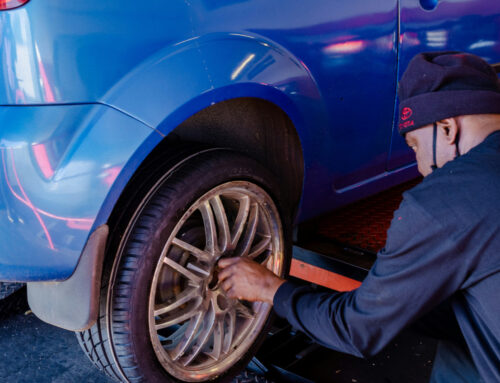
Check your tyre pressure at least once a month and before long drives. The correct pressure is usually listed in your owner’s manual, inside the driver’s door frame, or inside the fuel flap. For the most accurate reading, check your tyres when they are cold, before you have driven far. If you are regularly topping up the same tyre, it may have a slow leak and should be inspected.
2. Uneven Tyre Tread
Another factor that affects fuel efficiency is uneven tyre tread. When tyres wear unevenly, they do not make consistent contact with the road surface. This can increase drag and make the engine work harder to maintain speed. Uneven tread is often caused by poor wheel alignment, suspension issues, or simply neglecting regular tyre rotations.
Checking your tyre pressure regularly and inspecting the tread for uneven wear are simple habits that can improve fuel economy. If you notice unusual wear patterns or your car feels less stable when driving, it may be time to have your tyres and wheel alignment checked during your next service.
How To Spot Uneven Tyre Wear
Look across the full width of each tyre, not just the outside edge. If one side is wearing faster than the other, or the tread looks patchy, it may point to wheel alignment, suspension, or pressure issues. Rotating your tyres regularly and booking an alignment check when you notice uneven wear can help extend tyre life and support better fuel economy.
3. Dirty or Low Engine Oil
Your car’s engine contains many moving parts that rely on proper lubrication to function smoothly. Engine oil plays a vital role in reducing friction between these components. When the oil becomes dirty, old, or too low, it can no longer lubricate the engine effectively.
As friction increases, the engine has to work harder to produce the same level of performance. This extra effort leads to increased fuel consumption and can also accelerate wear on internal components.
Regular oil changes are one of the most important steps in maintaining good fuel economy. Fresh engine oil allows the engine to operate smoothly and efficiently, reducing unnecessary strain and helping your car get the most out of every litre of fuel.
When To Check Your Engine Oil
Check your engine oil level using the dipstick if your vehicle has one, making sure the car is parked on level ground and the engine has had time to cool. The oil level should generally sit between the minimum and maximum marks. If the oil looks very dark, thick, gritty, or the level keeps dropping, it is worth booking a service so the oil, filter, and possible leaks can be checked properly.
4. Clogged Air Filters or Fuel System Issues
For an engine to run efficiently, it needs the right balance of air and fuel during combustion. The air filter plays a key role by preventing dirt and debris from entering the engine while still allowing enough airflow for proper combustion.
When the air filter becomes clogged, the engine may struggle to get the air it needs. As a result, it compensates by burning more fuel, reducing fuel economy.
Similarly, problems within the fuel system, such as blocked fuel injectors or restricted fuel lines, can disrupt the engine’s ability to deliver fuel efficiently. These issues can cause the engine to consume more fuel than necessary.
Regular inspections during a car service can help identify blocked filters, worn parts, or even fuel system issues early, helping maintain efficient engine performance.
Signs Your Air Filters May Need Attention
Pay attention to signs such as reduced acceleration, rough idling, poor fuel economy, or the engine feeling less responsive than usual. These can sometimes point to airflow or fuel delivery issues. Air filters are usually checked during routine servicing, so keeping up with your service schedule is one of the easiest ways to prevent restricted airflow from affecting performance.
5. Worn Spark Plugs or Ignition Components
Spark plugs play an essential role in the combustion process. They ignite the air-fuel mixture in the engine’s cylinders, creating the power needed to move your vehicle.
Over time, spark plugs wear down and may not ignite the mixture as effectively. This can lead to incomplete combustion, meaning some fuel is wasted rather than being converted into usable energy.
When spark plugs or other ignition components are worn, your engine may use more fuel to compensate for the loss in efficiency. Replacing worn spark plugs during routine servicing helps restore optimal engine performance and improves fuel economy.
When Should You Check Your Spark Plugs
Watch for signs such as difficulty starting, rough idling, engine misfires, hesitation when accelerating, or higher fuel use. Spark plugs are small parts, but they play an important role in how efficiently your engine burns fuel. If your car feels less smooth than usual or is overdue for servicing, have the ignition system checked by a technician.
6. Driving Habits That Increase Fuel Consumption
While mechanical issues can affect fuel efficiency, driving habits also play a significant role in how much fuel your car uses.
Aggressive acceleration, sudden braking, and high speeds can all increase fuel consumption. When you accelerate quickly, the engine demands more fuel to generate power. Similarly, frequent stop-start driving can limit fuel economy because the engine has to repeatedly work harder to get the car moving again. Other habits, such as carrying unnecessary weight in the car or idling the engine for long periods, can also impact fuel efficiency.
Simple Driving Habits That Save Fuel
Aim for smoother acceleration, steady speeds, and earlier braking where it is safe to do so. Avoid excessive idling, remove unnecessary weight from the boot, and take roof racks off when they are not needed, as extra weight and drag can increase fuel use. Planning your trips to avoid unnecessary stop-start driving can also help improve fuel economy over time.
How Regular Car Servicing Helps Improve Fuel Economy
Many of the issues that affect fuel consumption can be prevented through routine servicing. A professional car service ensures that key components such as filters, spark plugs, fluids and engine systems are checked and maintained.
Regular car maintenance helps identify problems early, before they affect performance or fuel efficiency. By keeping your car in good condition, you allow the engine to operate at its intended efficiency level.
During servicing, technicians can also check tyre conditions, inspect fluid levels, and ensure the engine is running smoothly. These small adjustments can have a noticeable impact on fuel economy over time.
Small Habits Can Make A Big Difference
Improving fuel economy does not always require major repairs. Often, it starts with simple habits such as checking tyre pressure, keeping up with oil changes, servicing your car on time, and driving smoothly. If your fuel use has increased and you are not sure why, a professional inspection can help identify the cause early and prevent unnecessary costs later.
When Should You Get Your Car Checked For Poor Fuel Economy?
If your fuel use has increased suddenly, your car feels sluggish, warning lights appear, or you notice unusual sounds, smells, or vibrations, it is best to have your vehicle inspected. Poor fuel economy can be caused by simple maintenance issues, but it can also point to a developing mechanical problem. Getting it checked early can help reduce unnecessary fuel costs and prevent more expensive repairs later.
Take Control of Your Fuel Economy with Ultra Tune
Managing fuel consumption doesn’t have to be complicated. By keeping your car well-maintained and adopting efficient driving habits, you can reduce fuel usage, lower running costs, and improve overall performance.
At Ultra Tune, our team of experienced technicians helps drivers stay on top of their car’s maintenance so it runs efficiently and reliably. From engine inspections to routine servicing, we’re here to ensure your car is performing the way it should.
If your car is using more fuel than usual, Ultra Tune can help identify the cause and get your car running efficiently again. Book a service or visit your nearest Ultra Tune service centre today.